Public Archaeology
People have been in Utah for the past 13,000 years, and Utah SHPO"s Public Archaeology exists to tell their stories.
From ancient footprints to historic cabins, Utah's archaeological record represents some of the best preserved sites anywhere in the world. And these sites are living history to descendant communities including Tribal Nations, LDS Pioneers, ranching communities, railroad workers, and many more. The Public Archaeology program tells past stories and makes connections with present day Utahns.
Our team of archaeologists support descendant communities, landowners, municipalities, and state and federal agencies by providing expertise and organizing volunteers. This dynamic program is always finding new ways to serve Utah, so read on and discover this incredible place.
Utah Anti-Vandalism Campaign
Utah leads the nation in cultural heritage protection, establishing a national standard for interagency and public collaboration. Utah has recently launched a multi agency, cooperative campaign to raise awareness about archaeological and cultural resource vandalism and to inform Utah residents and visitors on how they can help protect our irreplaceable history.
Utah Cultural Site Stewardship
Site Stewards are the first line of defense for Utah's archaeological sites. Learn how you can join over 350 stewards across the state as they monitor sites and work with federal and state land managers to ensure their continued protection
Beyond the 50 Year Rule - Utah's Public Archaeology Podcast
Beyond the 50-Year Rule, a podcast initiative of the Utah Public Archaeology program, explores how a united front of professionals and engaged public works to protect Utah’s heritage. The project connects with the state's intangible history and highlights the positive impact of this collaboration.
Archaeology Blog Posts

Programs and Initiatives
Archaeology and Historic Preservation Month
The Utah State Historic Preservation Office (SHPO) was created after the passage of the federal National Historic Preservation Act in 1966. Commonly called just, SHPO, we are the nexus of Utah's historic preservation programming through assisting state and federal agencies, local communities and private property owners through various initiatives, programs, grants and technical assistance. Our mission is to promote, conserve, and protect Utah's diverse and awe-inspiring cultural heritage through community collaboration.
Archaeological Internship Program
The Utah State Historic Preservation Office (SHPO) was created after the passage of the federal National Historic Preservation Act in 1966. Commonly called just, SHPO, we are the nexus of Utah's historic preservation programming through assisting state and federal agencies, local communities and private property owners through various initiatives, programs, grants and technical assistance. Our mission is to promote, conserve, and protect Utah's diverse and awe-inspiring cultural heritage through community collaboration.
Archaeology Grant
Utah SHPO is supporting private landowners and municipalities in preserving their archaeological and historic treasures. Grants can fund activities to discover, record, interpret, and protect sites of all ages and types.
Public Archaeology Events
The Utah State Historic Preservation Office (SHPO) was created after the passage of the federal National Historic Preservation Act in 1966. Commonly called just, SHPO, we are the nexus of Utah's historic preservation programming through assisting state and federal agencies, local communities and private property owners through various initiatives, programs, grants and technical assistance. Our mission is to promote, conserve, and protect Utah's diverse and awe-inspiring cultural heritage through community collaboration.
About Us
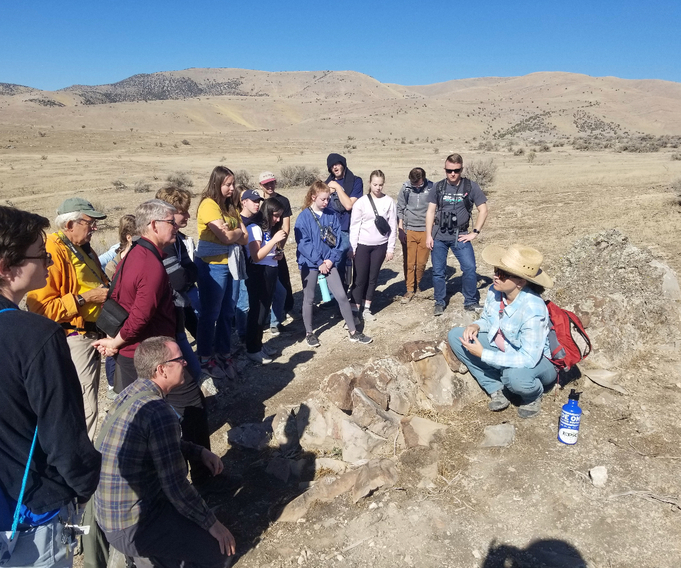
Our team is composed of professional archaeologists, communicators, recreation specialists, and students who all have one thing in common: we love sharing Utah's archaeology with the public.