The National Register of Historic Places FAQs
FAQs
There are a number of reasons to have your property listed in the NRHP: Historical recognition and public education on our history, preservation/rehabilitation tax credits, low-interest loans for preservation projects, possible grants, building code leniency for certain uses and potential local zoning variance for certain uses.
You should contact Cory Jensen, [email protected], the Utah National Register Coordinator, for the most up to date information.
You can also check the Historic Utah Buildings (HUB) database
There is also the NPS National Register Database and Research web page. However, this is not usually up to date.
To be considered eligible, a property must meet the National Register Criteria for Evaluation. This involves examining the property's age, significance, and integrity.
Age and Integrity: Is the property old enough to be considered historic (generally at least 50 years old) and does it still look much the way it did in the past?
Significance: Is the property associated with events, activities, or developments that were important in the past? With the lives of people who were important in the past? With significant architectural history, landscape history, or engineering achievements? Does it have the potential to yield information through archeological investigation about our past?
Yes, anyone can prepare a National Register nomination. However, the nomination must be adequately documented, meet technical and professional standards and meet the National Register criteria for evaluation.
There are also professional preservation research consultants available who can do the research and documentation and prepare a NRHP nomination for a fee. Search for consultants in the Statewide Preservation Directory maintained by Preservation Utah.
From the time the Utah State Historic Preservation Office receives a first draft of a nomination to review, the process can take approximately nine months.
A final draft of a nomination must be ready to review at least 90 days prior to the State NRHP Committee review meeting. The committee meets three times a year (typically, January, May and September).
If the nomination is approved by the committee, it is then finalized and forwarded to the Keeper of the National Register for the final and deciding review, which is 45 days.
The quality of significance in American history, architecture, archeology, engineering, and culture is present in districts, sites, buildings, structures, and objects that possess integrity of location, design, setting, materials, workmanship, feeling, and association and
- that are associated with events that have made a significant contribution to the broad patterns of our history; or
- that are associated with the lives of persons significant in our past; or
- that embody the distinctive characteristics of a type, period, or method of construction, or that represent the work of a master, or that possess high artistic values, or that represent a significant and distinguishable entity whose components may lack individual distinction; or
- that have yielded, or may be likely to yield, information important in prehistory or history.
Under Federal Law, the listing of a property in the National Register places no restrictions on what a non-federal/private owner may do with their property up to and including destruction, unless the property is involved in a project that receives Federal assistance, usually funding or licensing/permitting.
Owners of NRHP-listed properties are free to maintain the property as they please. They do not have to open their buildings to the public, nor do they need anyone's approval for anything they do to their buildings. National Register listing does not affect property taxes or how the buildings may be used.
Local preservation ordinances, where present, may have some implication for buildings listed on local registers, but the local register process is entirely separate from the National Register process. Most cities in Utah do not impose restrictions on historic building owners; those that do usually limit their control to the exterior. Contact your local planning department to see what, if any, rules may apply to local historic register designation.
Listing in the National Register places no federal restrictions or requirements on a private property owner. You may do with the property as you wish, within the framework of local laws or ordinances. If a listed building is damaged or destroyed, there is no requirement to repair or rebuild to historic standards.
We recommend property owners contact their state’s insurance commissioners for any policy or position paper regarding insuring National Register-listed properties.
Once a property is listed in the National Register it cannot be removed unless it is altered in a way that greatly impacts its historic integrity or if it is demolished.
But, again, there are no restrictions or requirements that come with listing in the National Register.
The National Register of Historic Places is a federal designation that places no restrictions on private property. It is a completely separate process from a local historic district designation process.
Local historic districts may or may not share boundaries with a National Register district. However, they may be subject to local landmarks historic preservation ordinances. Contact the local city planning office for more information.
For more information or to ask any question not covered here, please contact Cory Jensen at the Utah State Historic Preservation Office, [email protected], or visit the National Park Service's web pages for more resources:
National Register Resources
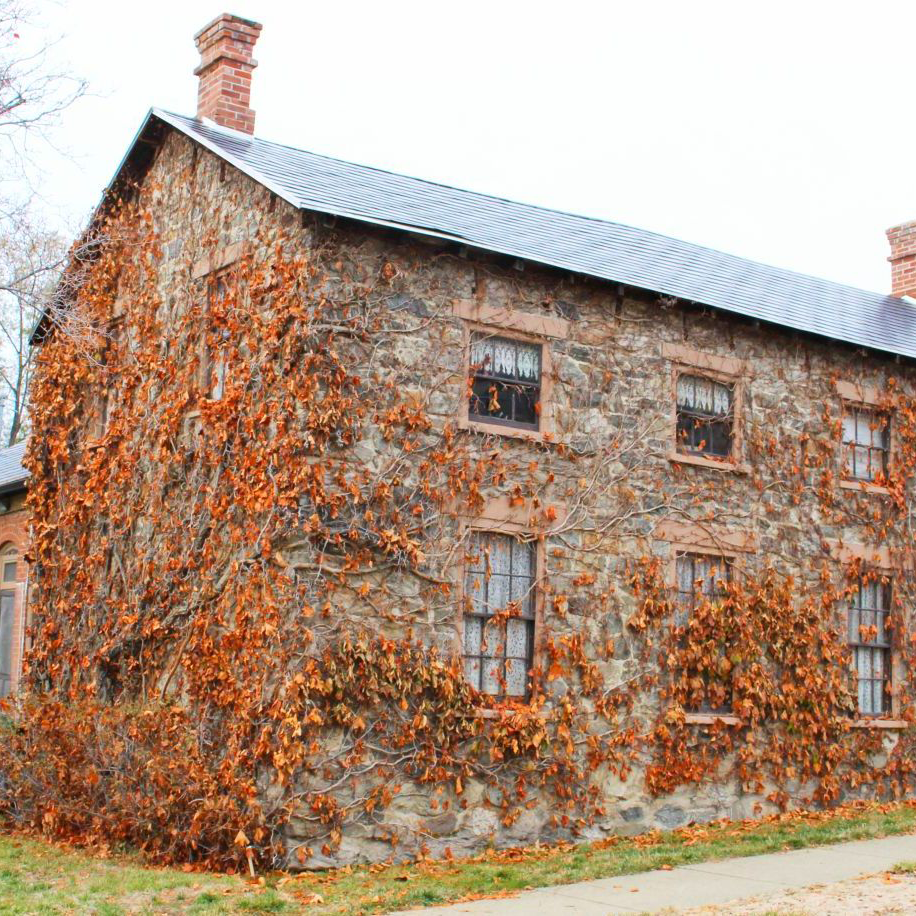
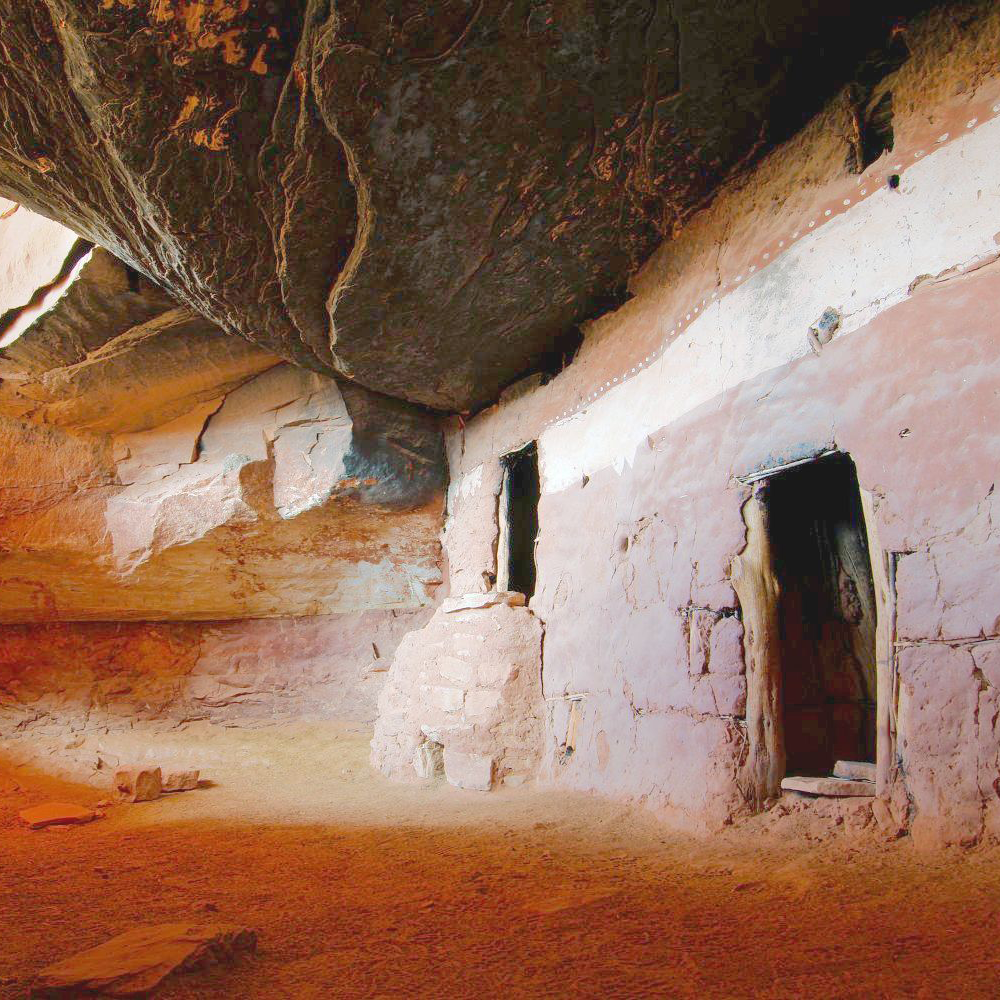
Recent National Register Listings
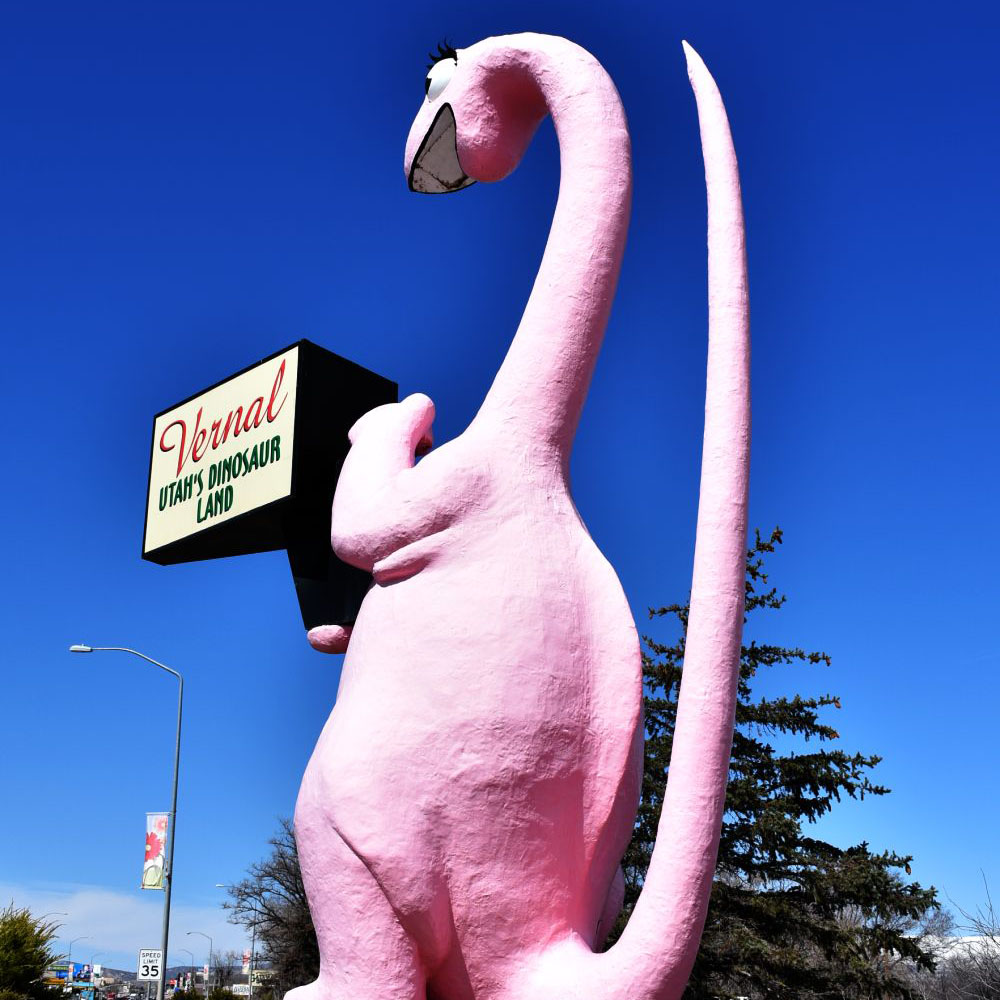
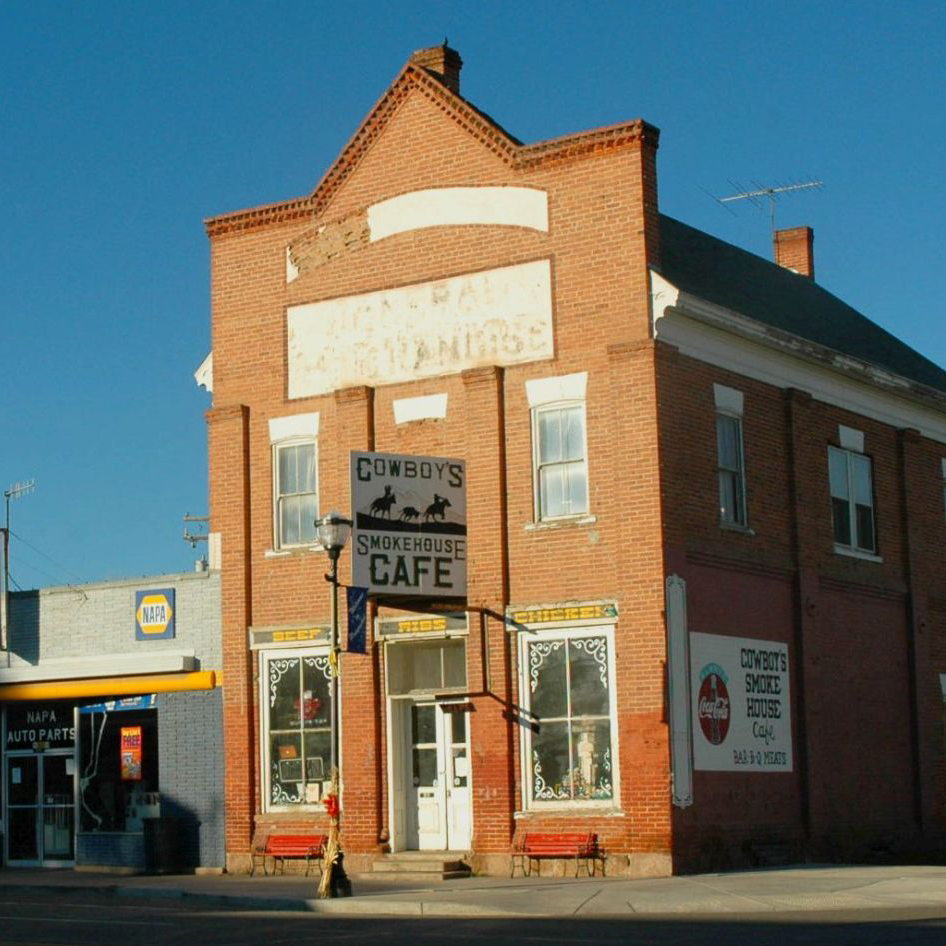
Historic Districts
Use our interactive map to search National Historic Districts in Utah.
Learn more about historic districts (PDF) and search the National Register.
National Register Review Committee
Have a National Register Question? We Can Answer That!
Cory Jensen
[email protected]
(801) 245-7242
